COUNTRY WIDE SERVICE
How to Prevent Cracks and Stains in Fiberglass Pools: Maintenance Guide
Fiberglass Pools are known for their smooth surfaces, durability, and low-maintenance appeal. However, to ensure your pool continues to look new for years, proper care matters. Cracks and stains are preventable issues, and with routine maintenance, you can extend the life and appearance of fiberglass shells significantly.
This guide breaks down the most effective methods to protect your investment and keep your water clear, clean, and visually stunning.
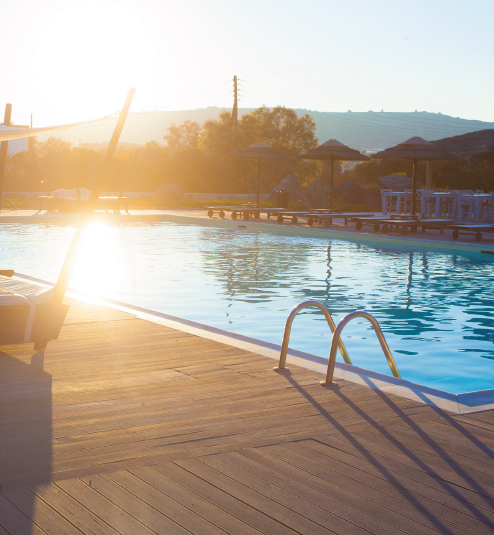
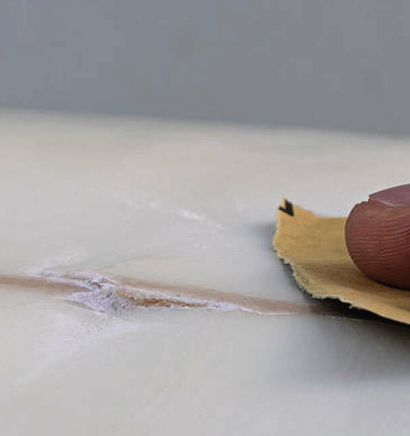
What Causes Cracks in Fiberglass Pools?
Although Fiberglass Pools are structurally strong, environmental factors and improper care can lead to surface stress.
Common Causes of Surface Damage
- Ground shifting or unstable soil conditions
- Draining the pool without professional supervision
- Abrasive cleaning tools that scratch the gel coat
- Long-term unbalanced water chemistry
Keeping the pool filled, avoiding sudden temperature changes, and maintaining proper pH levels are key to preventing surface stress.
Preventing Stains in Fiberglass Pools
Stains are often caused by organic debris, metals in the water, or chemical imbalance. The smoother the surface of Fiberglass Pools makes maintenance easier, but prevention is still essential.
Factors That Contribute to Staining
- Algae growth from insufficient sanitation
- Metal presence in fill water, especially from well sources
- Debris accumulation such as leaves or dirt
- Calcium scale buildup
Testing your water regularly reduces staining issues dramatically.
Water Chemistry Guidelines for Fiberglass Pools
Balanced water protects the gel coat and extends lifespan.
Ideal Levels to Maintain
- pH: 7.2 – 7.6
- Chlorine: 1–3 ppm
- Alkalinity: 80–120 ppm
- Calcium hardness: 175–225 ppm
Consistent testing ensures water remains safe and gentle on the fiberglass surface.
Cleaning Tips for Fiberglass Pools
Avoid harsh products. The gel coat is designed to be non-porous and smooth, requiring gentle cleaning tools.
Do This Weekly
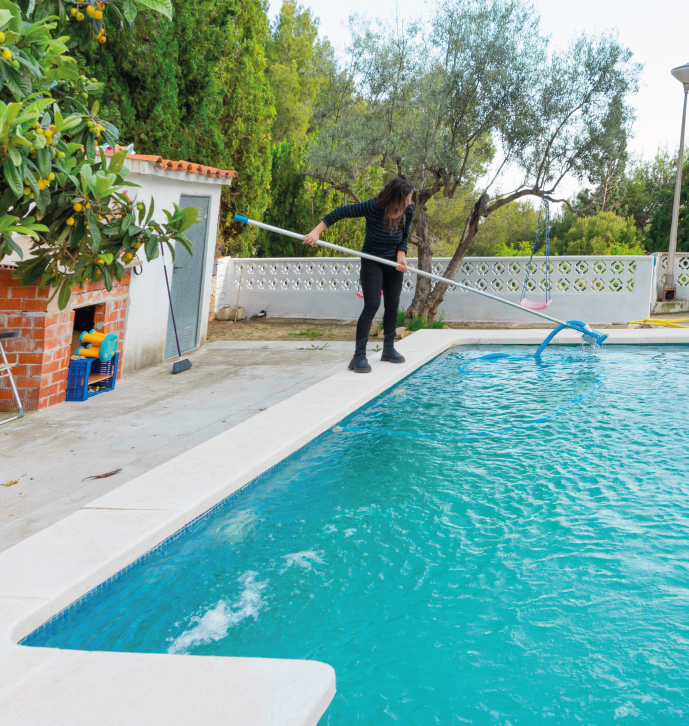
- Brush walls and floor with a soft-bristle brush
- Remove debris promptly to avoid organic staining
- Check filtration pressure for proper circulation
- Use non-abrasive fiberglass-approved cleaners
Never use steel brushes, pumice stones, or highly acidic chemicals on fiberglass.
Professional Inspection and Long-Term Care
Fiberglass Pools last decades when properly maintained. Annual professional inspections catch minor problems before they become costly repairs.
When to Call a Specialist
- Discoloration that does not clear with cleaning
- Visible surface dulling or chalking
- Unbalanced water that is difficult to correct
- Structural concerns or suspected cracks
A qualified pool technician can polish surfaces, rebalance water, or recommend resurfacing if needed.
Summary Checklist for Prevention
- Maintain balanced chemistry throughout the year
- Clean regularly using soft, non-abrasive tools
- Avoid draining the pool without professional guidance
- Schedule routine service inspections
- Remove debris early to prevent stain formation
With proper care, Fiberglass Pools maintain their glossy finish and structural integrity for years, delivering dependable enjoyment, comfort, and beauty.

Interested in professional guidance for your fiberglass pool? Contact our team to keep your pool clean, clear, and performing at its best.